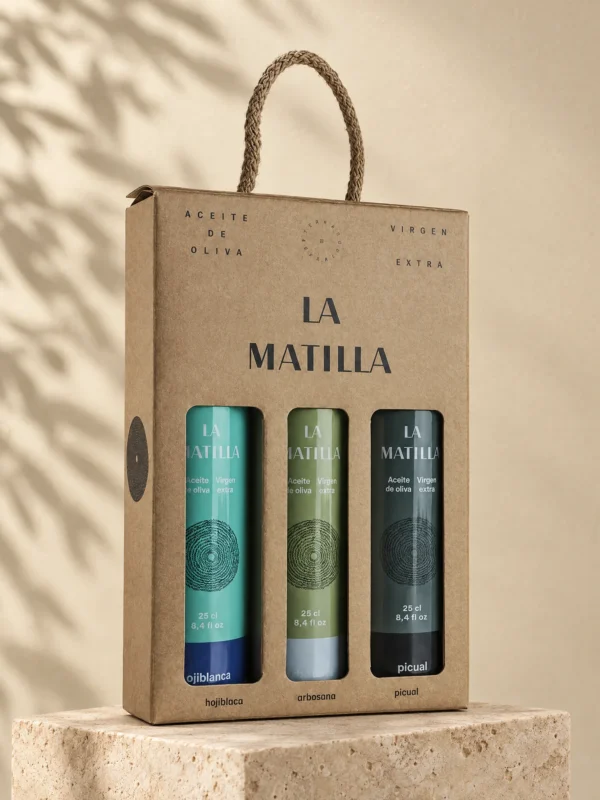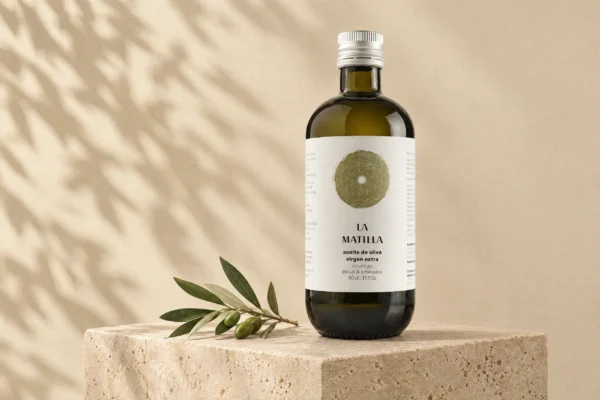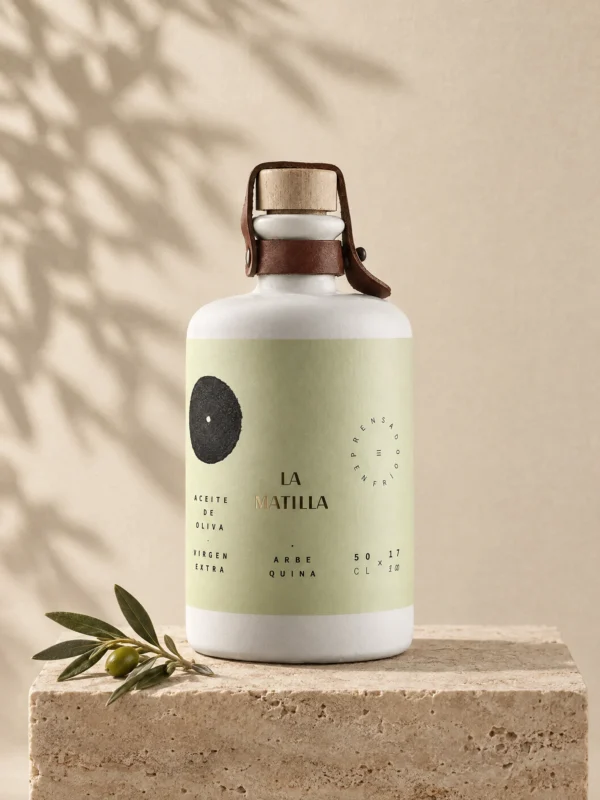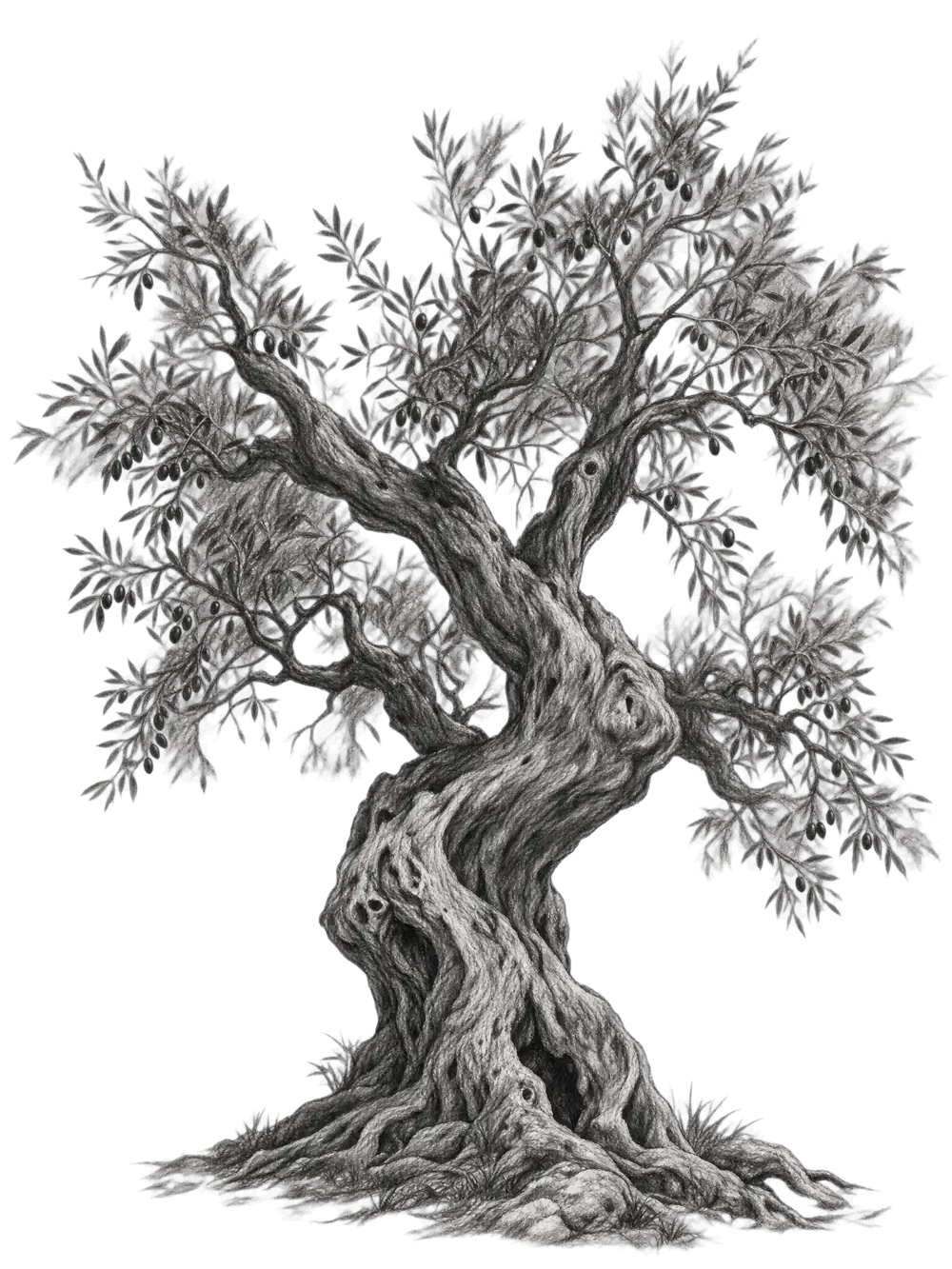
Olive oil is one of the best-known products of our land and one of the great stars of our cuisine. If the famous Mediterranean diet is known for anything, it is for the use of this prized ingredient. Olive oil also has several very beneficial properties for our health, which make daily consumption highly advisable. Another characteristic of olive oil is that it comes in different varieties. There are several types of oil depending on the type of olive used in production. What are they? In this post we tell you about the main olive oil varieties on the market and our customers’ favourites.
Picual oil
This oil comes from the Picual olive, the most widespread variety in the world and in our country. It is estimated that more than 50% of Spain’s olive groves are Picual. In the province of Jaén, for example, the Picual olive accounts for 90% of the land under olive cultivation. It also predominates in other areas such as Granada and Córdoba. The variety takes its name from the distinctive pointed shape of the olive. Picual oil is above all characterised by its bitterness and pungency. It has herbaceous aromas very similar to certain herbs and wild fruits. Its flavour is intense and it has a high oleic acid content. This makes Picual one of the most stable olive oil varieties. It is widely used for cooking, especially for frying, although it can be enjoyed in any other way too. Another quality of Picual oil is its very beneficial health properties. For example, it helps reduce fat in the blood.
Hojiblanca oil
Hojiblanca oil is one of the best known and most widely used in our country. It comes from the Hojiblanca olive, a variety named after the whitish colour of its leaves. It is a medium-sized olive that is also used to make table olives. It is grown mainly in Seville, Córdoba and Málaga. It is a very fresh, fruity oil, with a very elegant bitterness and pungency. Its aromas recall fresh grass, with light hints of apple and artichoke. Another of its features is its intense golden colour. Its oleic acid content is medium. It is also one of the extra virgin olive oils with the least fat, which is why it is often used in slimming diets. It is also one of the oils with the highest vitamin D content. Hojiblanca oil can be used for cooking, although it is also very often enjoyed raw. It is an excellent oil for breakfast, salads, stews, doughs and even baking.
Arbequina oil
Among the olive oil varieties, this one comes from the Arbequina olive, native to Catalonia, specifically Tarragona and Lleida. In fact, its name comes from Arbeca, a town in Lleida, although Arbequina is now grown in many other parts of the peninsula. It is a small olive with a large stone. The main characteristic of Arbequina oil is its sweet, mild taste. Unlike other types of oil, Arbequina does not leave a bitter taste on the palate. Its aroma is very fruity, with notes close to other fruits such as apple, banana or almond. It is a very fresh oil which, owing to its composition, is more delicate than other olive oil varieties, especially when it comes to oxidation. It also has a high percentage of oleic acid, which is very beneficial for raising good cholesterol and lowering bad cholesterol. Arbequina oil is milder and less strong in taste. For that reason it is widely used, for example, in making sauces and in baking. It is also a great addition to breakfast.
Arbosana oil
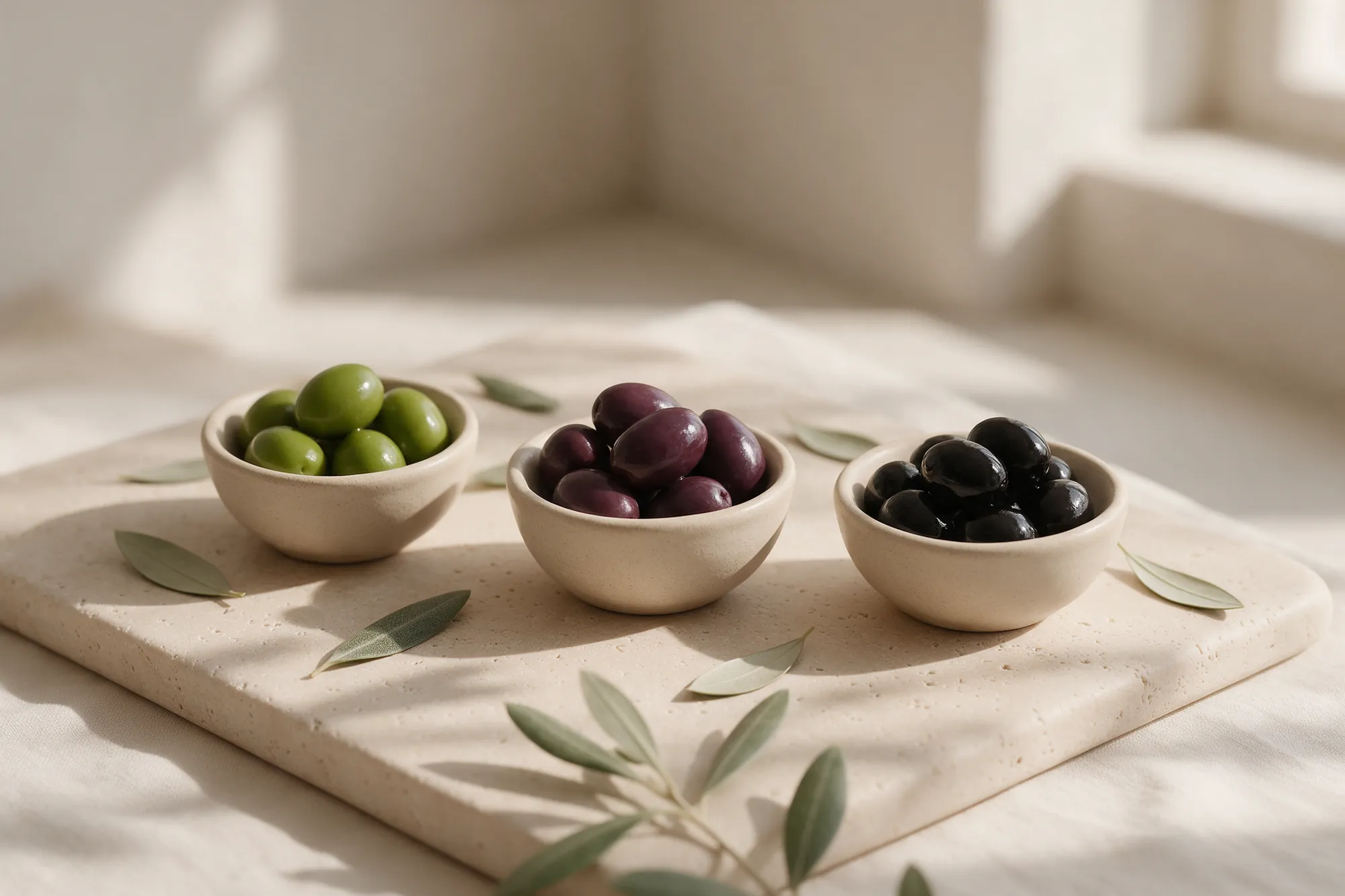
This variety of oil comes from the Arbosana olive, which originates in the Penedès region between Barcelona and Tarragona. It is a small, oval olive. As it ripens, it takes on a violet colour that is highly characteristic of the variety. On the palate, Arbosana oil stands out for its sweet and bitter flavours and its medium to high pungency. It also has a fruity aroma, though less intense than other olive oil varieties such as Arbequina or Hojiblanca. Its high oleic acid content gives this oil many health benefits. Like the other extra virgin olive oil varieties, Arbosana oil is widely used in cooking, especially in salads and pasta, or as a dressing in general.
Organic oil
Organic olive oil is made without the use of chemicals. This requires that no fertilisers, herbicides or pesticides have been used while the olives grow on the tree. It is a 100% organic oil, made in an environmentally friendly way and very good for health. This type of oil is characterised by very gentle nuances. Its balanced bitterness stands out above all. It has aromas of green almond, tomato plant, banana skin and freshly cut grass. Its balanced bitter flavour leaves a light peppery sensation that adds an original and delicious touch.
Coupage oil
Coupage oil is made from a combination of different types of top-quality olives. It is a complex process, as great precision is needed when choosing which olives to blend and in what proportions. Contrary to what one might think, coupage oil can be of the same quality as a single-variety oil made from just one olive variety. In fact, extra virgin coupage oil can also be produced. Blending different olive varieties produces an oil with distinct nuances and a very intense flavour. Coupage oil takes on the characteristics of the olives used to make it. These are the main olive oil varieties and some of their characteristics. At Aceites La Matilla we offer a wide range of gourmet olive oils known for their high quality and flavour, made through a rigorous process using traditional methods that yields a truly distinctive premium oil. Visit our online shop and choose from our gourmet olive oil varieties!