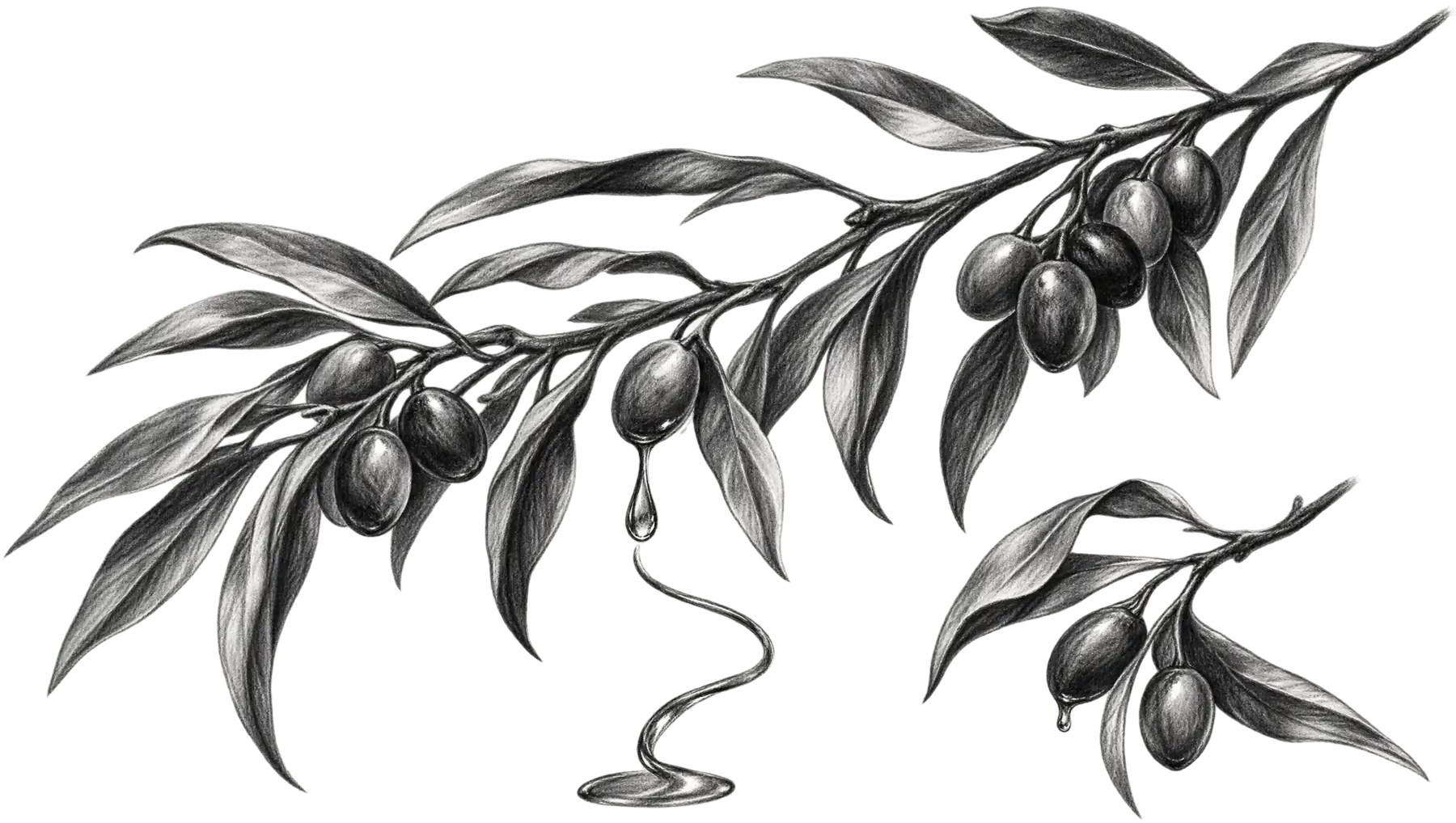

Types of oil
There is a wide range of oil types which, depending on their characteristics, uses, conditions, origin or method of production, are given one name or another.
Although blends and combinations of olive types, aromas and other elements are increasingly common, in this post we will give you a brief overview of what some of them are and how they differ.
Extra virgin olive oil (AOVE)
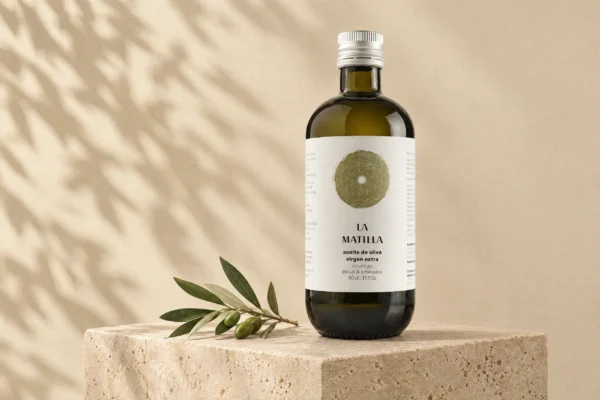
Extra virgin olive oil (AOVE) is without doubt the most natural olive juice on the market. It is made from olives harvested at the optimum point of ripeness and is characterised by an acidity below 0.8º.
It is an oil rich in monounsaturated fatty acids, which also provides natural antioxidants.
To appreciate the vast majority of its virtues, it is best enjoyed raw, whether on toast at breakfast, in dressings and salads, or in cold dishes. Although heating oil to a certain temperature alters its composition, it is without doubt preferable to other oils for frying, as it is one of those whose properties degrade least.
Single-variety oils
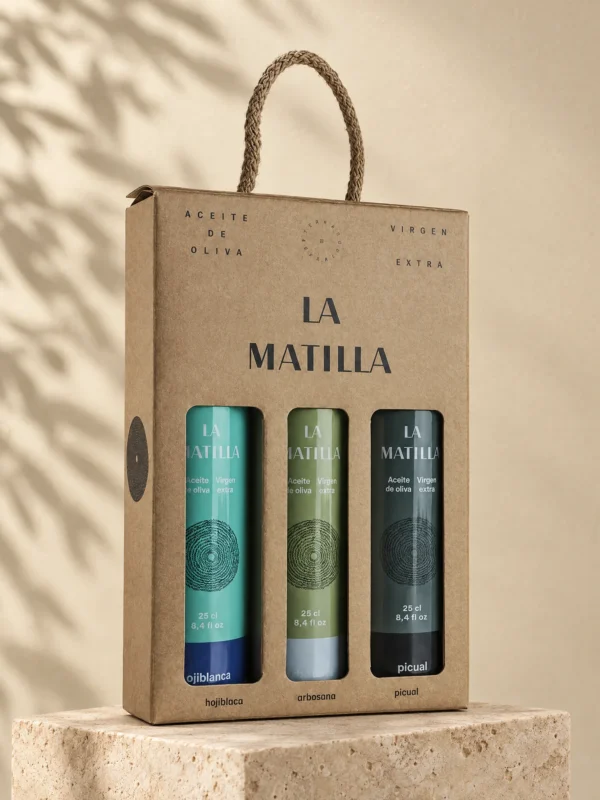
These are oils obtained from a single type of olive (Picual, Arbequina, Hojiblanca…). This gives their juice a unique aroma and flavour.
Virgin olive oil
Like AOVE, virgin olive oil is a natural oil. It differs from extra virgin olive oil in that its acidity must be below 1º.
Its virtues and characteristics are usually very similar to those of oil labelled Extra. It is also used for emulsions and mayonnaise, or in stews, choosing the intensity of flavour that best suits the dish.
Olive oil
You have surely heard people talk about mild or intense olive oil at some point. This refers to lampante oils, that is, oils whose acidity exceeds 3º and which, before refining, are unfit for human consumption; after refining they are finally blended with extra virgin olive oil.
Depending on the proportions used, it will be intense (more extra virgin olive oil) or mild (less extra virgin olive oil).
It is also an oil with qualities that are good for our health, and its uses are endless, from a simple marinade to scrambled eggs.
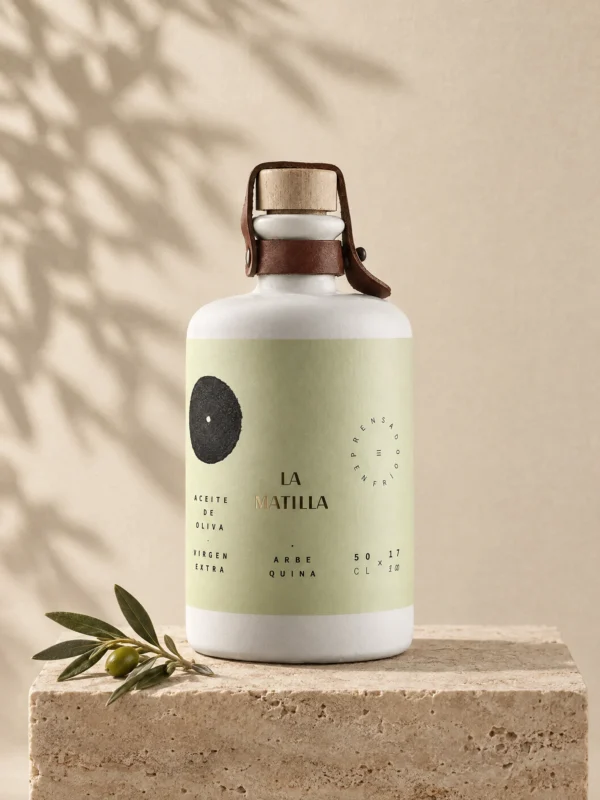
Arbequina olive oil
It is a very typical oil in parts of Spain such as Lleida and Tarragona, but it has spread to regions such as Andalusia and Castilla-La Mancha.
It is a mild, sweet oil, meaning it lacks the bitter aftertaste found in many oils. Aromas also come to the fore, often with fruity notes such as banana and apple, reminiscent of the fruit purées we ate as children.
As a substitute for butter, for making sauces or to accompany breakfast, it is undoubtedly one of the options most worth considering.
Picual olive oil
This variety of AOVE is marked by a more bitter note, even producing that peppery sensation.
They are generally made from early-harvest olives. They have more body and power, and we do not recommend them if you are not used to AOVE, as the flavour may put you off.
Hojiblanca olive oil
Typical of Andalusia, in areas such as Málaga, Córdoba and Seville, its origin is associated with the Córdoba town of Lucena, which is why it is also known as Lucetina.
The olive is round and of medium to high quality, so it is also often eaten as an appetiser.
One of its more curious uses is in making ice cream.