Let's admit it: almost everyone likes extra virgin olive oil, but not all of us like the same one. Some make your throat tingle, some are sweeter, some more bitter and some milder. In fact, if you already know you prefer AOVE oils with a mild touch, click here and we will save you from reading on. But if you would like to know why, we will tell you!
Characteristics of a mild olive oil
As you well know (and if not, we will remind you), there are different varieties of olives that can be used to make AOVE, and they have a significant effect on the final result. In the same way, the colour, texture and aroma of the oil go closely hand in hand.
Colour of extra virgin olive oil
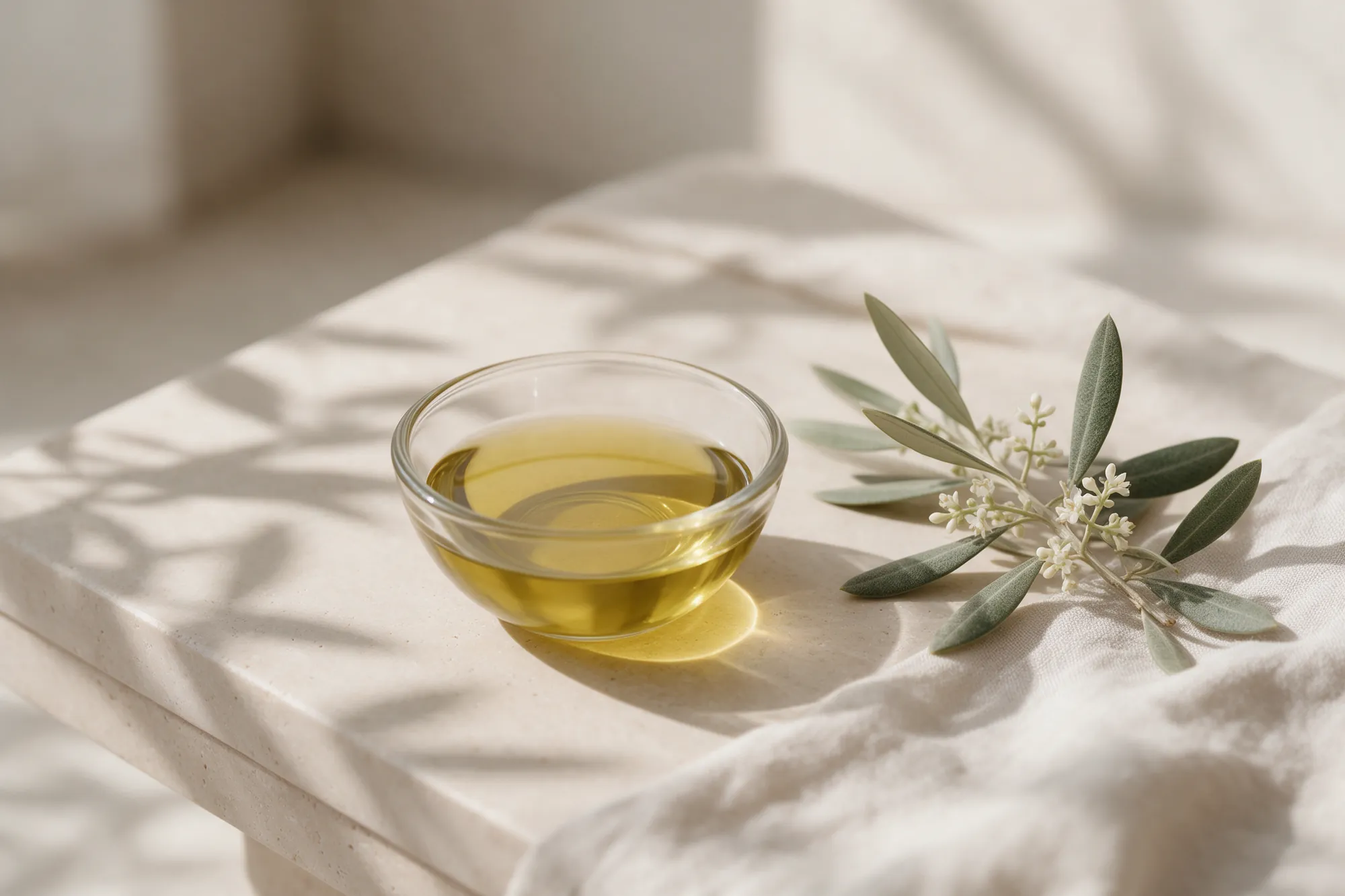
Despite what many people may think, the colour of AOVE is not related to its quality. Extra virgin olive oil respects all the qualities and aromas of the olive. The colour, however, has no connection with its quality. In fact, tastings are carried out in a blue or amber glass so that this aspect does not influence the expert's opinion.
The type of olive, the time of harvest and the production process are all elements that affect the colour of the oil. So, although only the senses of taste and smell should be taken into account when grading an AOVE, the colour of the oil does have a notable influence on variables such as extraction or production. When the olive is greener, it contains more chlorophyll and pheophytins, which give it that greenish tone, whereas as the olives ripen, yellowish colours stand out because the chlorophyll is gradually lost over time. That said, how AOVE is stored is key to preserving its properties. Exposure to light or high temperatures also affects the chlorophyll. That is why it is crucial to keep the oil in an opaque container and store it somewhere dark and dry.
Texture
In the same way that colour is no indicator of the quality of AOVE, texture has no notable bearing on it either. Texture is determined by the production process, in particular the pressing method. Cold pressing with capachos, as we do at La Matilla, is one of the most traditional ways of obtaining the juice of the olives.
In this way, its properties are fully respected before it is filtered. That said, no oil should have the texture of water; it should have a thicker, more concentrated body.
Aroma
On the other hand, the aroma of AOVE should recall the natural smell of the olive. If the oil smells musty, rancid or similar, it cannot be classed as Extra Virgin Olive Oil. Its smell can also be fruity, bitter or pungent depending on the type of olive. Without going into too much complexity, and looking at the best-known single-variety oils in Spain, we can say that:
- Arbequina: aromas of almonds and wild fruits from the orchard stand out
- Picual: reminiscent of the tomato plant, with green and woody notes
- Hojiblanca: fresh grass and green fruit.
So, which is the mildest extra virgin olive oil?
Well, now that we have cleared up some points about olive oil, let's turn to the central question of this post: which is the mildest AOVE? To answer it, we need to look at the type of olive used. As we mentioned earlier, the olive variety passes a series of nuances on to the resulting AOVE, since it is the basic raw material the oil is made from.
Par excellence, extra virgin olive oil made from Arbequina will be the mildest we can buy on the market. Here, pungency and bitterness go almost entirely unnoticed, and nuances such as the fruity flavour and the light aroma predominate. Picual olive oil, with its aromas of green apple and its freshness, can also be a good option if we are looking for a mild AOVE.
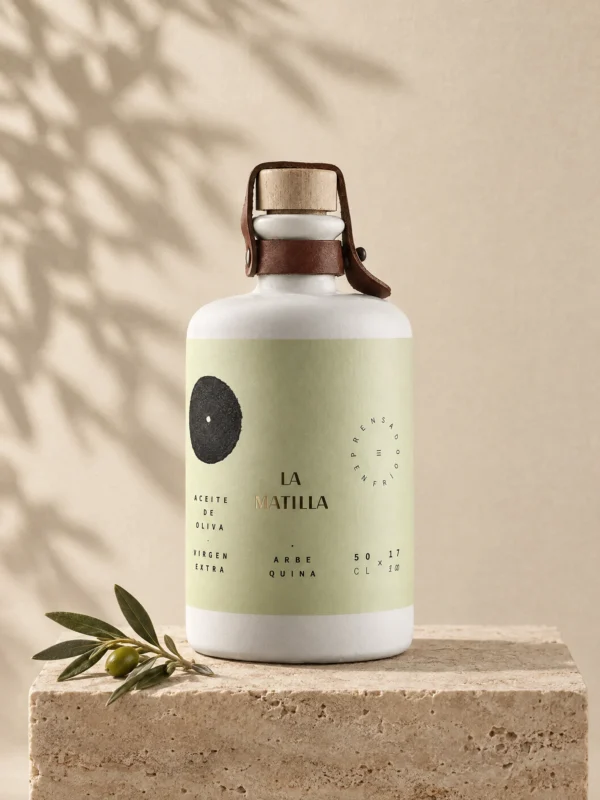
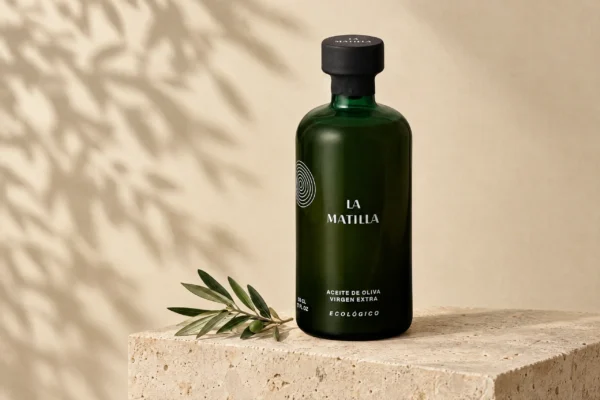
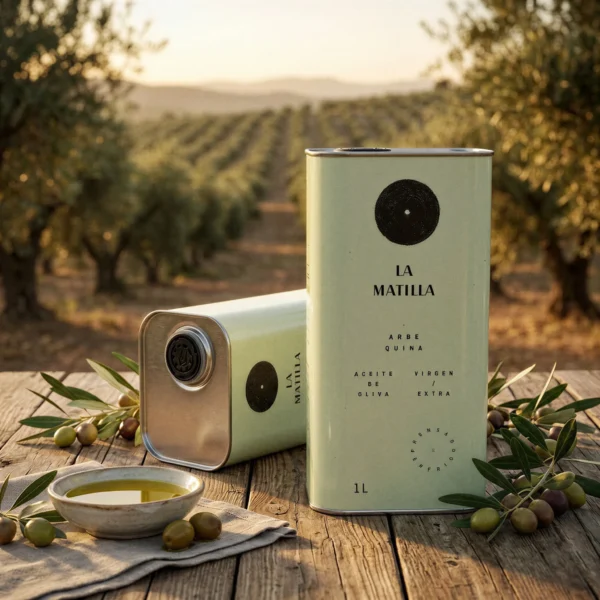
Aceites La Matilla, your mild Extra Virgin Olive Oil
From everything above, we conclude that AOVE made from the Arbequina olive variety is the mildest extra virgin olive oil you will find on the market. Our AOVE, besides meeting this requirement, is processed and extracted at the optimal moment, which preserves all the characteristics of the olive itself and, therefore, keeps its mildness intact. Find more news on our Facebook.