The world of gastronomy has its own trends too. Various products and styles of cooking rise in popularity, offering new ideas that delight the public. Right now, one of the most prized and widely consumed ingredients is organic olive oil. This type of olive oil has its own characteristics, which have made it stand out among the other kinds of our beloved liquid gold, so common in the Mediterranean diet. Let us look at its conditions and production process to discover the real reasons for its success with the most discerning palates.
What is organic olive oil?
It is an AOVE that respects the environment and the health of consumers, as the olives are grown and the oil produced without any chemical products, such as fertilisers or pesticides. The whole process follows a careful system designed to achieve the final result without losing the beneficial properties of gourmet olive oils. To this end, other measures are taken besides avoiding chemicals. Among them are hand-picking the olives and traditional production at the mill, using the time-honoured technique of pressing with esparto mats (capachos). Another of the conditions that define organic olive oil is that the olives are selected once they have reached the necessary ripeness. This means that the natural cycle of the olive trees is respected and, as a result, the degradation of their ecosystem is avoided.
How does it differ from other varieties?
If you are going to buy a good olive oil, you should look at its characteristics before deciding. Those who choose this type of premium ingredient are people committed to the environment, through responsible consumption with the lowest ecological impact. Organic olive oil also has specific properties that benefit consumers' health. The health factor is another important aspect valued by people who take care of their diet, as it is a product classed as real food. If we focus on the natural growing conditions, we should bear in mind that fewer olives are produced than where chemicals are used to increase the productivity of the groves. Organic olive oil is therefore more exclusive and limited. Even so, more and more hectares and resources are being devoted to producing it, given its current importance and what it means in terms of sustainability.
The health properties of organic olive oil
As we mentioned, this AOVE stands out for a number of health benefits, including the following:
- It is an antioxidant, with several elements that protect our cells from oxidative damage, eliminate cancer cells and prevent cardiovascular disease.
- Oleic acid also protects the cardiovascular system, as it raises good cholesterol and lowers bad cholesterol. It also helps prevent gallstones.
- Organic olive oil is high in vitamin E, which slows down cell ageing. It also plays a significant role in preventing heart disease and strengthening the immune system.
- Some people also use this type of olive oil in beauty routines, as it can be used as an exfoliant and keeps skin and hair in perfect condition.
- And of course, we cannot forget that it spares us certain components that are harmful to health, thanks to its chemical-free production.
Where to buy organic olive oil?
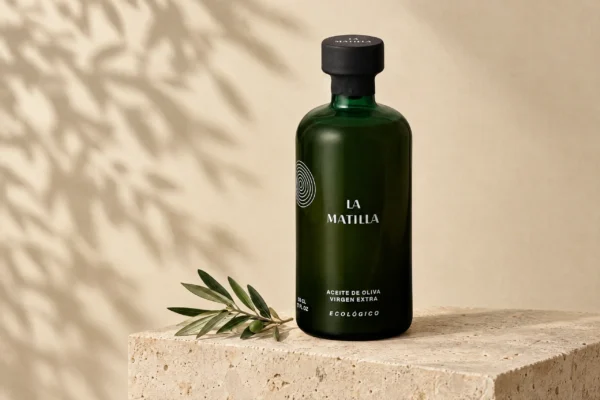
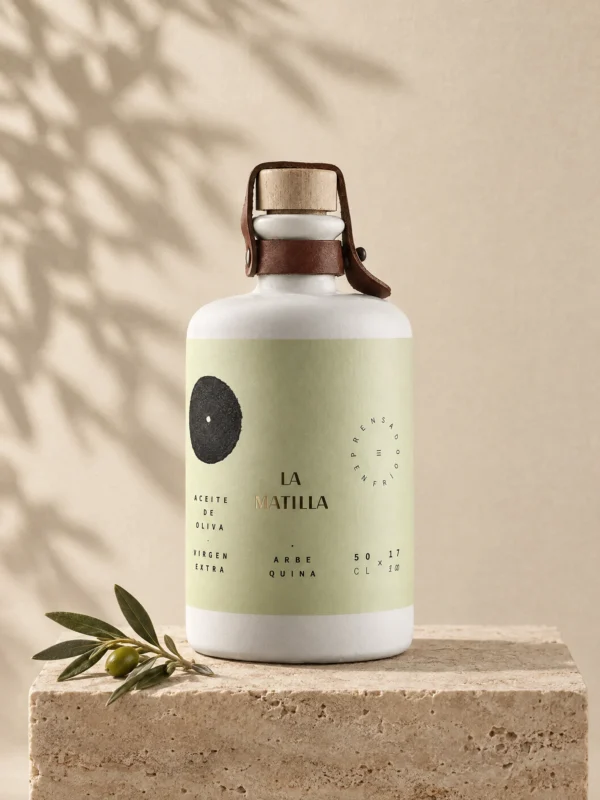
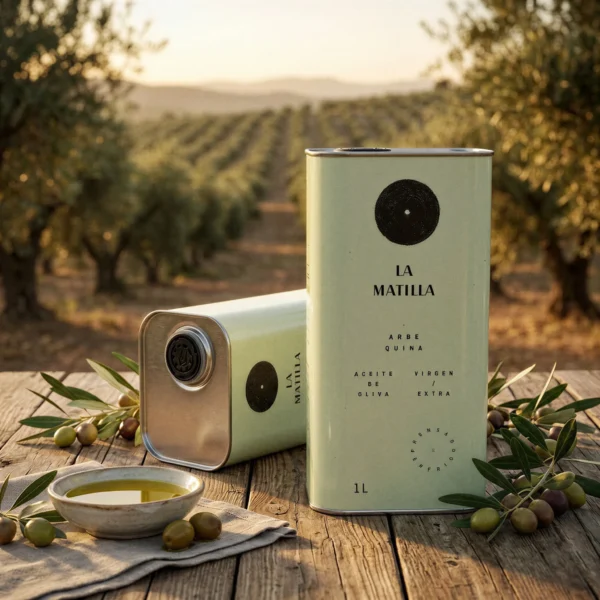
Of course, we should point out that this premium oil is highly valued in haute cuisine. Its special conditions ensure the final quality of the product and an exclusive flavour that will delight food lovers. At Aceites La Matilla we have our own organic Arbequina olive oil. If you want to discover its properties in situ, do not miss the chance to try one of today's most popular food experiences.