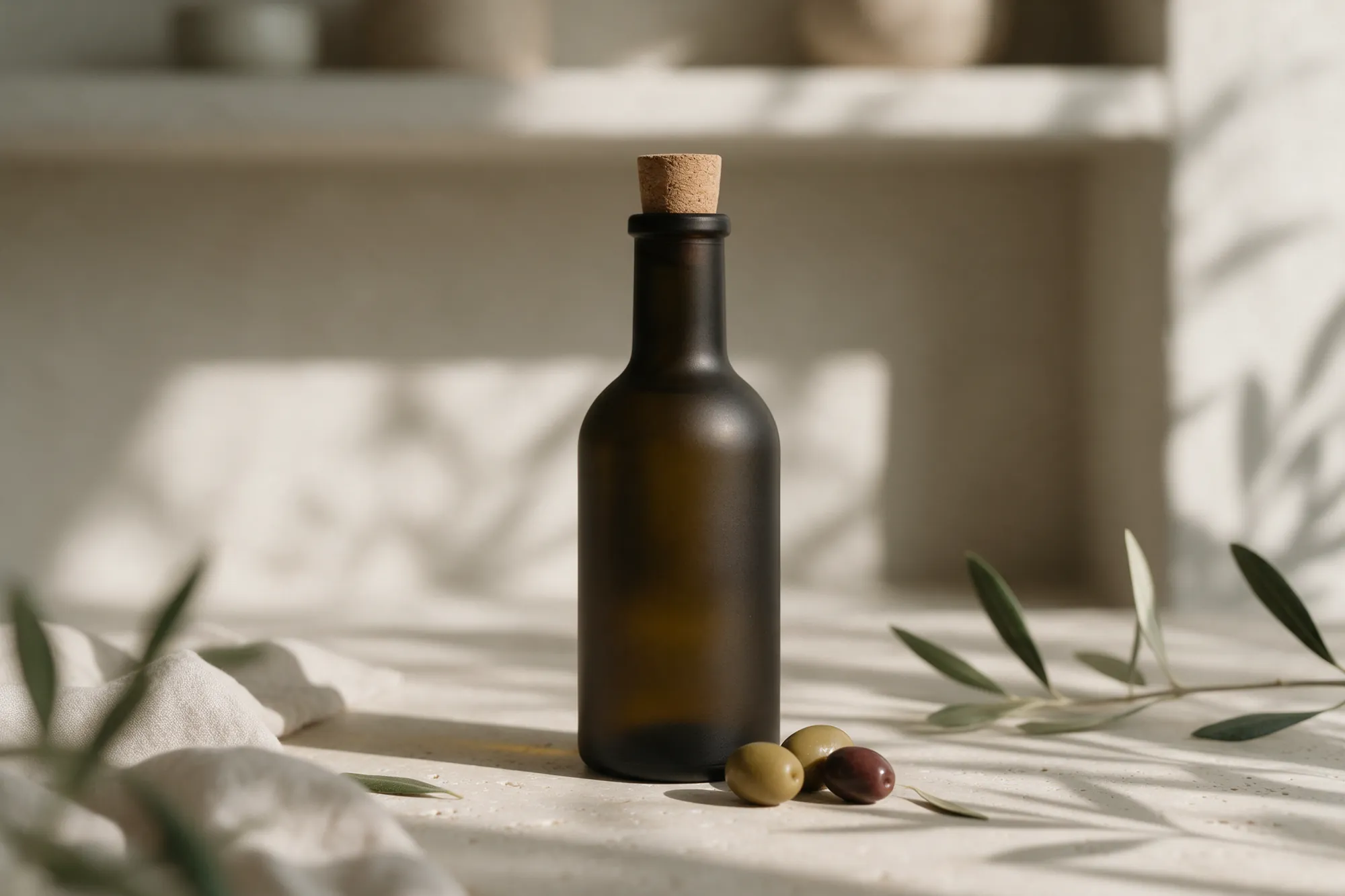
You have probably wondered at some point whether AOVE has an expiry date. The answer is no, but it is true that it is best consumed before the date shown on the bottle label. This is because oil does not spoil to the point of being harmful to our health, but it does gradually lose aromas and properties.
The best-before date on bottles is usually one or two years and is counted from bottling, which is why it is also important to look at the harvest date, where the whole process of making AOVE begins.
AOVE is made up of 98-99% triglycerides, the fatty part of the oil, and of minor components that give the oil its extraordinary properties. Most of the latter are antioxidants, whose job is to protect the oil from oxidation. It is worth stressing that only virgin oils have them; refined oils lose them in the chemical process.
When does AOVE start to go rancid?
As we said earlier, AOVE does not expire, but it is true that it starts losing properties from the moment the olive is pressed; this is unavoidable. What you should know is that, depending on its composition and how it is stored, AOVE takes more or less time to go rancid.
How can you stop oil going rancid?
- The first thing to know is that it is best to buy it in season, ideally early in the season, when it has a higher concentration of antioxidants
- Don't buy more oil than you will use in a year
- Buy dark bottles or tins rather than plastic bottles.
- When you go to the shop, don't pick from the front row; choose the bottles further back, as they will be better protected from the light.
- Once you have bought your AOVE, keep it in a cool, dark place, away from sunlight and heat.
- If you buy large quantities, avoid half-full containers, because oxygen builds up and the oil oxidises more easily. It is best to decant it into smaller, very clean containers, as any trace of rancid oil left behind will spoil the new oil.
How do I know if oil is rancid?
There are chemical analyses that measure how oxidised an AOVE is, but there are also ways to tell at home whether oil is rancid.
- Sight: colour does not determine the quality of AOVE, but it usually ranges between yellow and green. What is telling is that if a quality AOVE changes colour, it may be deteriorating. AOVE can lose pigment over time and grow paler until it turns light yellow or orange.
- Smell: rancid oil can smell of varnish, paint or stale nuts.
- Taste: when AOVE loses its bitterness and the pleasant peppery kick in the throat, and the sensation turns into a harsh burn that catches in the throat and tastes of stale nuts, it is going rancid.
Things you can do with rancid oil
If you want to get rid of oil, put it in a used-oil container or take it to a recycling point. But never pour it down the sink.
Another option is to recycle it: make soap, use it to polish furniture and protect wood, or use it as a lubricant to stop your doors squeaking.
That is everything you need to know about AOVE and expiry. If you would like to try our Gourmet Extra Virgin Olive Oils, visit our online shop. You can also visit our social media: we are on Facebook and Instagram