By now, you probably already know that at Aceites La Matilla we are distinguished by exclusively offering gourmet oils made using traditional, artisan techniques, which allow us to obtain the best flavour and the highest quality. But we know it is hard to tell which types of oil can be considered gourmet and how to learn to tell them apart, so we also want to share some key tips for choosing yours. Keep reading this post and, above all, keep it under lock and key, because we are sure it will serve you on future occasions to make the best choice.
Gourmet oils: what are their main characteristics?
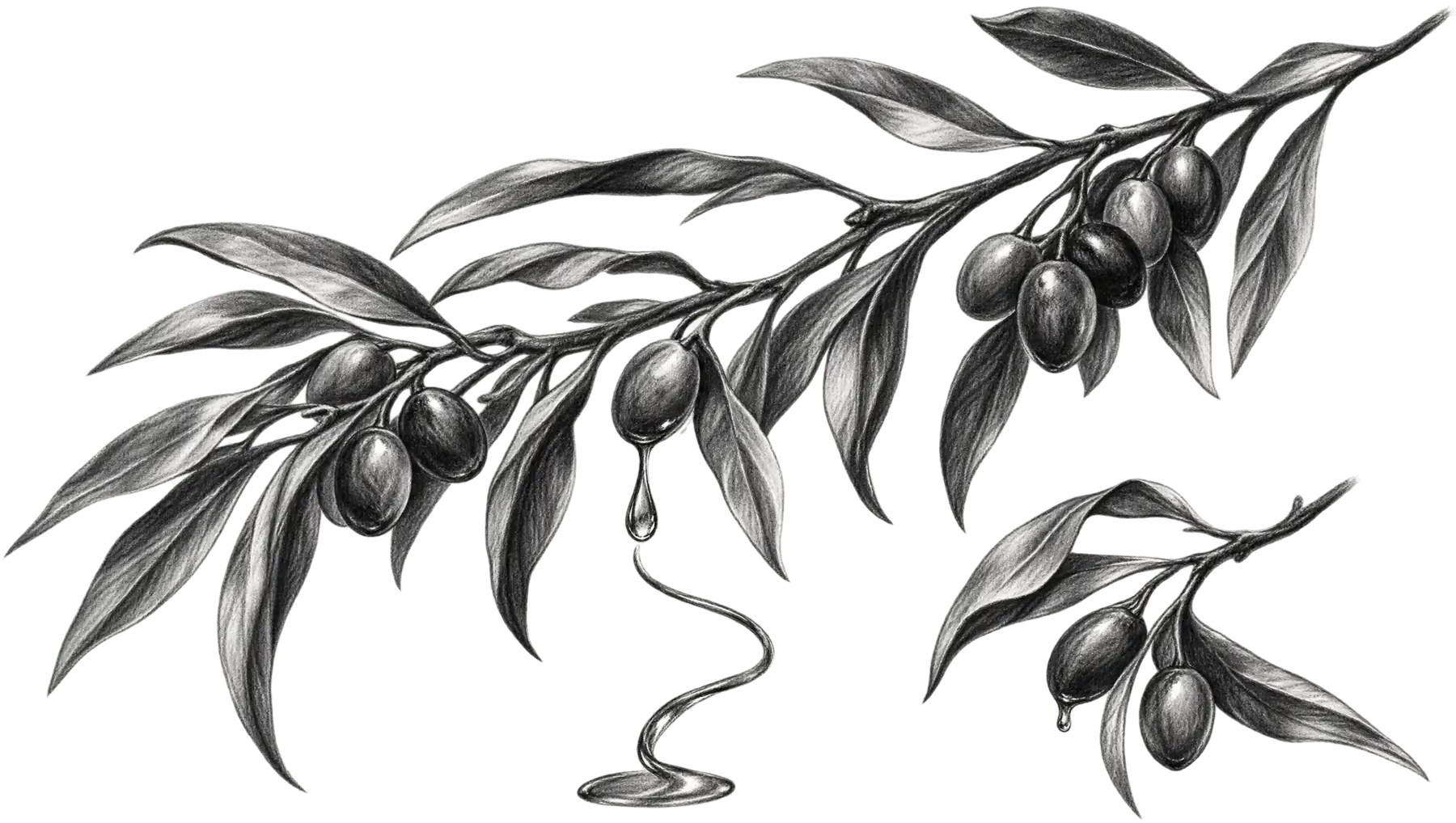
When we talk about gourmet oils, we are referring to those types of oil that have been made and extracted through specific processes and techniques, starting with the picking of the olives themselves. Only in this way is it guaranteed that their flavour is kept from the beginning to the end of production, preserving it and presenting very particular nuances that will help you determine that it is, indeed, a gourmet oil. These include a fruity flavour, slightly pungent and with reduced acidity. One aspect that characterises gourmet oils is the type of olives used to make them. In this case, only those that have reached an optimal point of ripeness are used (they must not have ripened completely) and, therefore, guarantee the sweet, fruity touch (with lower acidity) that is sought. These olives are considered hand-picked from the tree ("de vuelo"). That is, they are taken directly from the tree to avoid contact with the ground, so that their skin cannot be damaged, carry traces of soil or become dirty. Only in this way can it be guaranteed that their quality is at its maximum and that they can be used to make gourmet oil. To this we must add that these olives must be picked at the precise, exact moment (normally in the months of November and December, when they have not reached full maturity) to achieve the purity sought.
The picking process for gourmet oils is entirely manual and in the case of Aceites La Matilla, the picking is completely artisan and is done using capachos. We pick the olives by hand on our finca La Matilla, selecting only those that are at the right moment and without using tools or elements that could damage them. We also do it in the early hours of the morning so that the hottest hours of the day cannot affect the picking and extraction. An extremely delicate treatment from start to finish, which makes our extra virgin olive oil of the highest quality.
Likewise, gourmet oils are made without any chemical components and the olives are not treated at any point, in order to preserve as much of their qualities and flavour as possible.
Finally, the transport time to the mill for gourmet oils is much shorter and must take place within an approximate maximum period (normally within 12 hours of picking). This helps the olives lose as few properties as possible and keep their flavour. At Aceites La Matilla, only six hours pass from picking to traditional cold milling. In this way, we achieve the best results in our different varieties of premium oil.
What is the production of gourmet oils like?
Gourmet oil production is more limited, as it requires the olives to be at a very specific point (not yet fully ripe), which heightens its gourmet character and exclusivity. It takes 13-14 kilos of olives to produce one litre of gourmet olive oil. And above all, every last detail must be looked after throughout the entire production process!
How can you choose a gourmet oil correctly?
With all the information we have gathered so far, you will surely find it easier to recognise a premium oil. Even so, here are some extra tips for identifying them:
- Flavour. We mentioned it earlier, but we remind you again. Gourmet oils have a sweet taste in the mouth and are slightly pungent. They tend to leave a trace in the throat and you may even notice it on your tongue.
- Aroma. Very characteristic to the nose, as it has sweet, mild connotations. No acidity is noticeable, as in other types of oil.
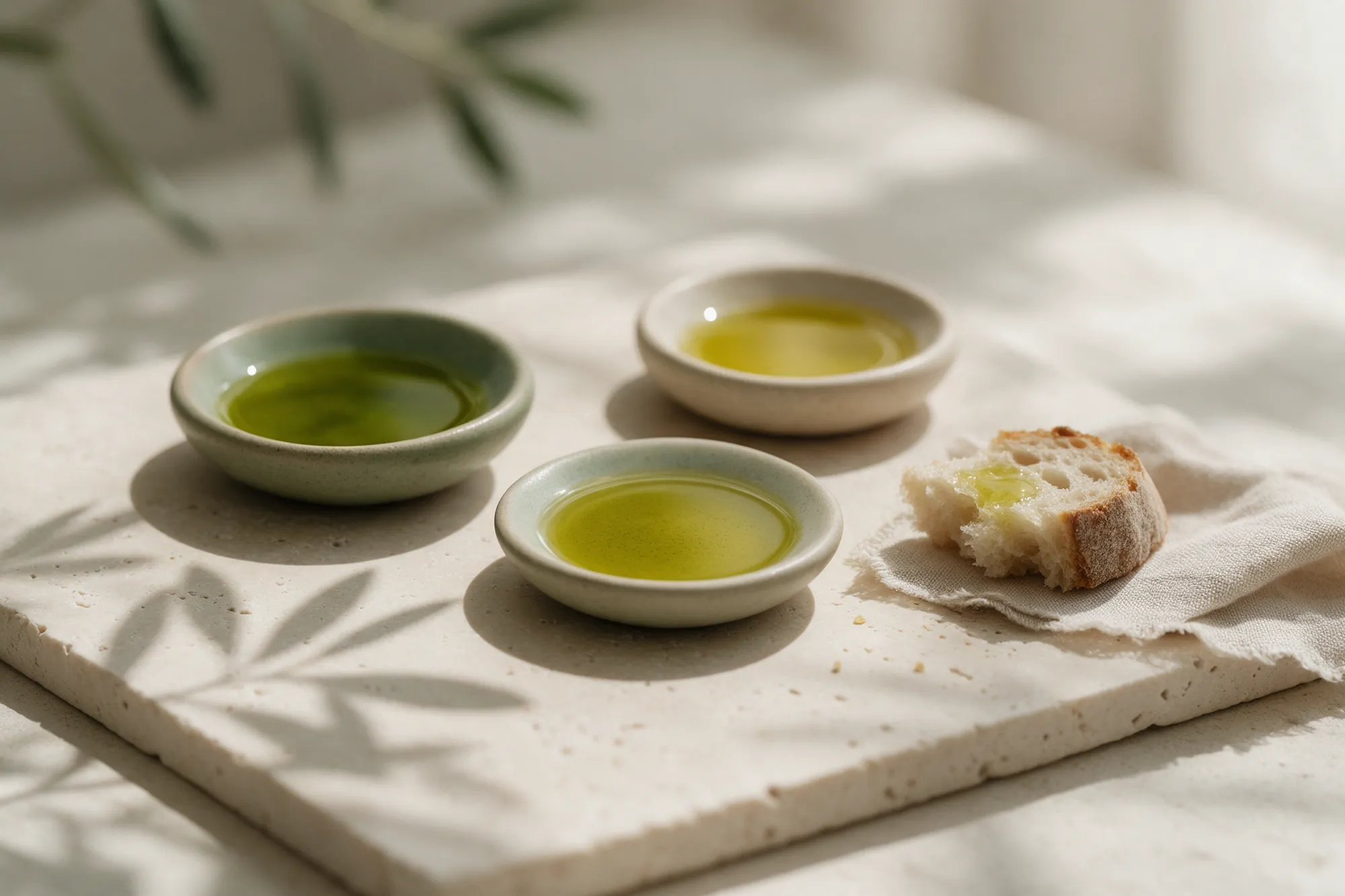
- Colour. Gourmet oils have a greener, clearer tone. They are clearly distinguishable from oils with more yellowish tones.
Varieties of gourmet oil
The variety of gourmet oils is closely tied to the variety of olive used to make them. Although we can speak of a wide range of types here, the most commonly used for gourmet extra virgin olive oil are:
- Hojiblanca.
- Arbosana.
- Arbequina.
- Picual.
- Coupage.
If you would like to know all the varieties of gourmet oil available at La Matilla and buy your favourite, visit our online shop for gourmet olive oils. The best flavour awaits you!